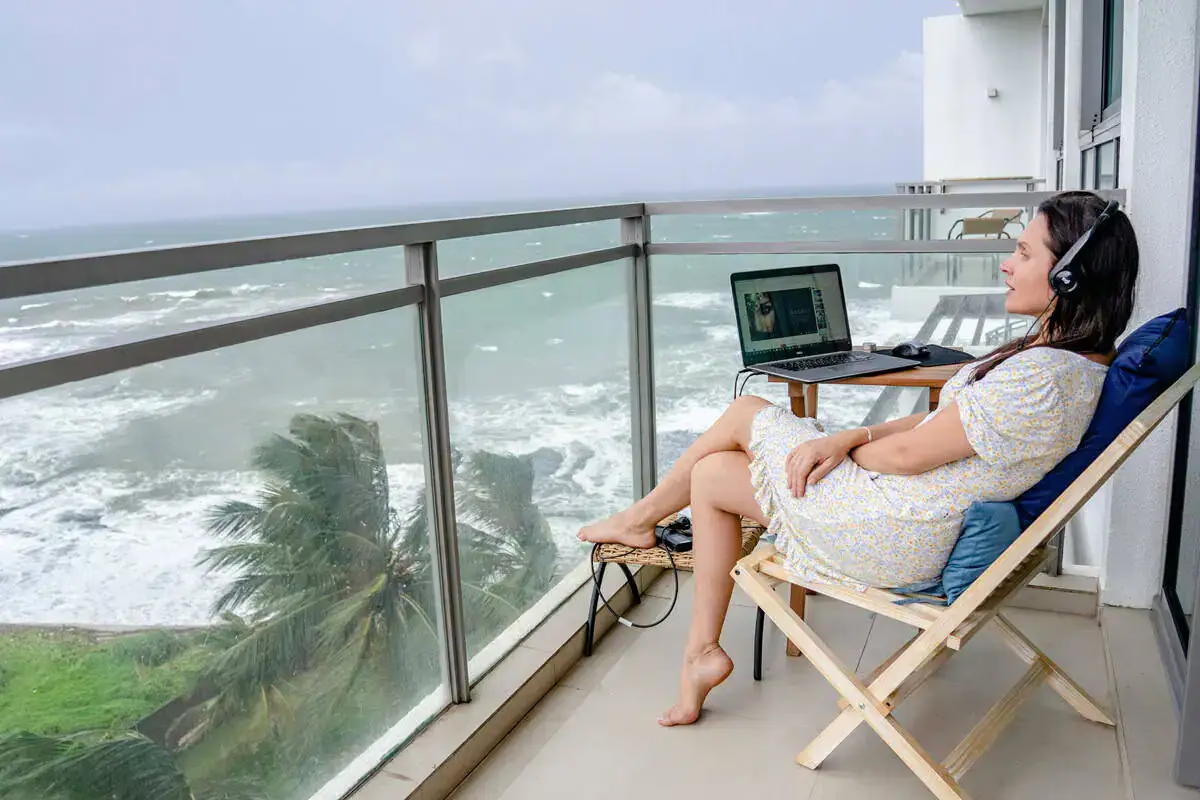
Most people who say they want to work remotely from the beach are really imagining a break from work, not a sustainable way to live and operate. The fantasy is simple: laptop, ocean view, a few emails between swims. The reality, for many, is very different, unstable internet, constant noise, poor work setups, and days that blur uncomfortably between distraction and guilt.
Remote work from a beach location only works when the environment is designed for repetition. This is where beachfront villas in Sri Lanka start to make sense, but only if chosen correctly. This guide is for professionals considering a two-week or longer remote stay.
But firstly;
Why Sri Lanka works for remote work
Sri Lanka has quietly become a strong option for remote professionals, but not for the reasons often highlighted online.
The real advantages are practical:
- Time zone overlap with Europe and partial overlap with Asia-Pacific
- Strong value-to-quality ratio for longer stays
- A villa culture built around privacy and staffing
- Slower daily pace that supports focused work blocks
Beachfront vs city vs inland: where remote work actually holds up
When choosing where to work remotely in Sri Lanka, most travellers end up weighing three very different environments.
City stays offer easy access to cafés, transport, and services, which can feel convenient at first. Over time, though, constant traffic, construction noise, and busy social settings make it harder to maintain focus. Days often become fragmented, with work broken up by distraction rather than planned breaks.
Inland retreats provide quiet and separation, which suits short focus sprints. However, for longer stays they can feel isolated. Connectivity can be inconsistent, everyday logistics take more effort, and the lack of simple resets, like a short walk or change of scenery, can make long workweeks feel heavy.
Beachfront villas, when chosen carefully, sit between these two extremes. They offer calm without isolation and space without monotony. With a protected work area, the beach becomes a natural reset point between work blocks rather than a constant distraction, making it easier to sustain both focus and routine over time.
Why Hotels Often Don’t Work for Remote Jobs
Hotels are built for short stays, not daily work. Problems usually don’t show up right away, but they add up over time.
Wi-Fi slows down as more guests come online. Noise changes from day to day. Rooms aren’t set up for both working and resting. Cleaning schedules interrupt focus. And everything runs on hotel routines, not yours.
For a few days this is manageable. Over longer stays, it quietly makes work harder.
A Realistic Workday from a Beachfront Villa in Sri Lanka
A typical workday usually settles into a natural rhythm.
Most people start work early, when it’s cooler and quieter. Late mornings work well for calls or lighter tasks. By midday, the heat slows everything down, so breaks come naturally. Work often picks up again in the afternoon, before evenings are kept screen-free.
In this setup, the beach isn’t a distraction. It becomes the place you go to reset after the workday ends.
The hidden drawbacks of working near the beach
The beach itself isn’t the challenge, misaligned expectations are.
-
The heat changes how your day flows.
In beach destinations, most people work best early in the morning and later in the afternoon. Midday naturally becomes slower, whether you plan for it or not. -
Busy, social spaces make it harder to concentrate.
Places designed for mingling, noise, and activity can feel fun at first, but they make focused work surprisingly difficult over time. -
The view matters less than you expect.
Ocean views are inspiring on day one, but after a few days, having a comfortable, quiet place to work matters far more than what’s outside the window. -
Too many daily choices can get tiring.
Constantly deciding where to work, eat, or take breaks sounds freeing, but it can quietly drain energy and make days feel less settled.
Remote workers often value predictability over novelty, especially on longer stays where fewer daily decisions make work feel lighter.
What to check before choosing a beach villa for remote work
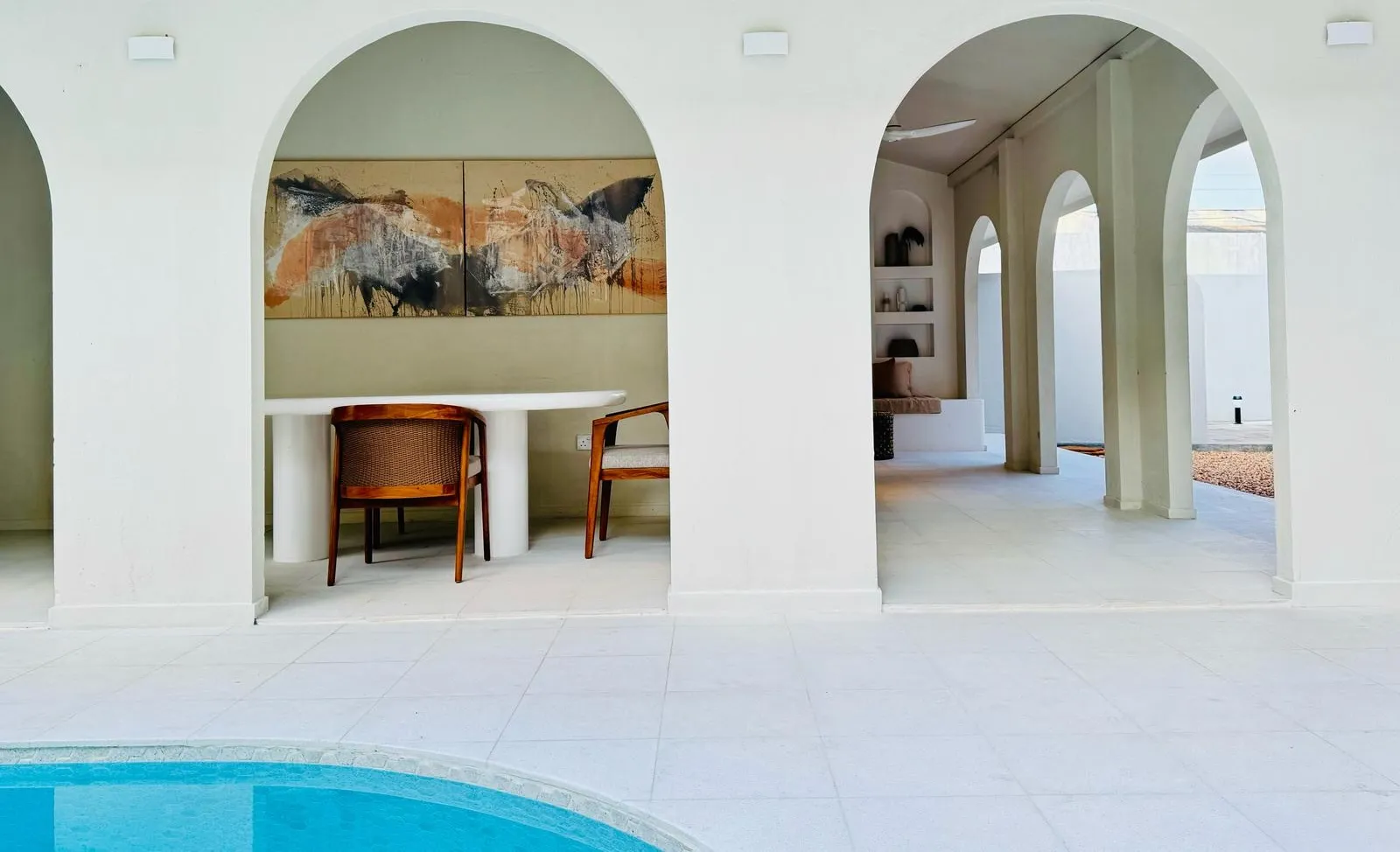
Before booking a beach villa for remote work, it’s worth checking a few practical details that make a big difference over time.
- Internet reliability, not just speed.
Ask whether the villa has a dedicated connection and whether video calls are handled comfortably. - A clear place to work.
The villa should have a space where you can work daily without setting up and packing away each time. - Noise levels during working hours.
Check whether the area stays quiet during the day, not just at night. - Comfort in warm weather.
Good airflow, fans, or air-conditioning matter more than design or views. - Support on hand if something goes wrong.
Having a caretaker or local support available reduces stress during longer stays. - Suitability for longer stays.
Some villas are designed for short holidays. Others are built for guests staying weeks at a time. The difference shows quickly.
How to pick the right beach location for remote work
Not every beach is good for working remotely. The goal is to find a place that feels calm and predictable, not constantly busy or distracting.
- Start with the pace of the beach.
Quieter stretches of coastline tend to work better than popular surf or party beaches, especially if you plan to work most days. - Look for walkable beach access.
Being able to step outside for a short break without planning transport helps create a healthy work rhythm. - Avoid high-traffic resort zones.
Areas packed with large hotels often come with noise, events, and fluctuating activity levels that make focus harder. - Consider how the area feels during the day.
Some beaches are calm in the morning but crowded by midday. A location that stays steady throughout the day is easier to work from. - Think in weeks
A place that feels exciting for a weekend may feel exhausting over two or three weeks.
Why Pick Ceilao Villas?
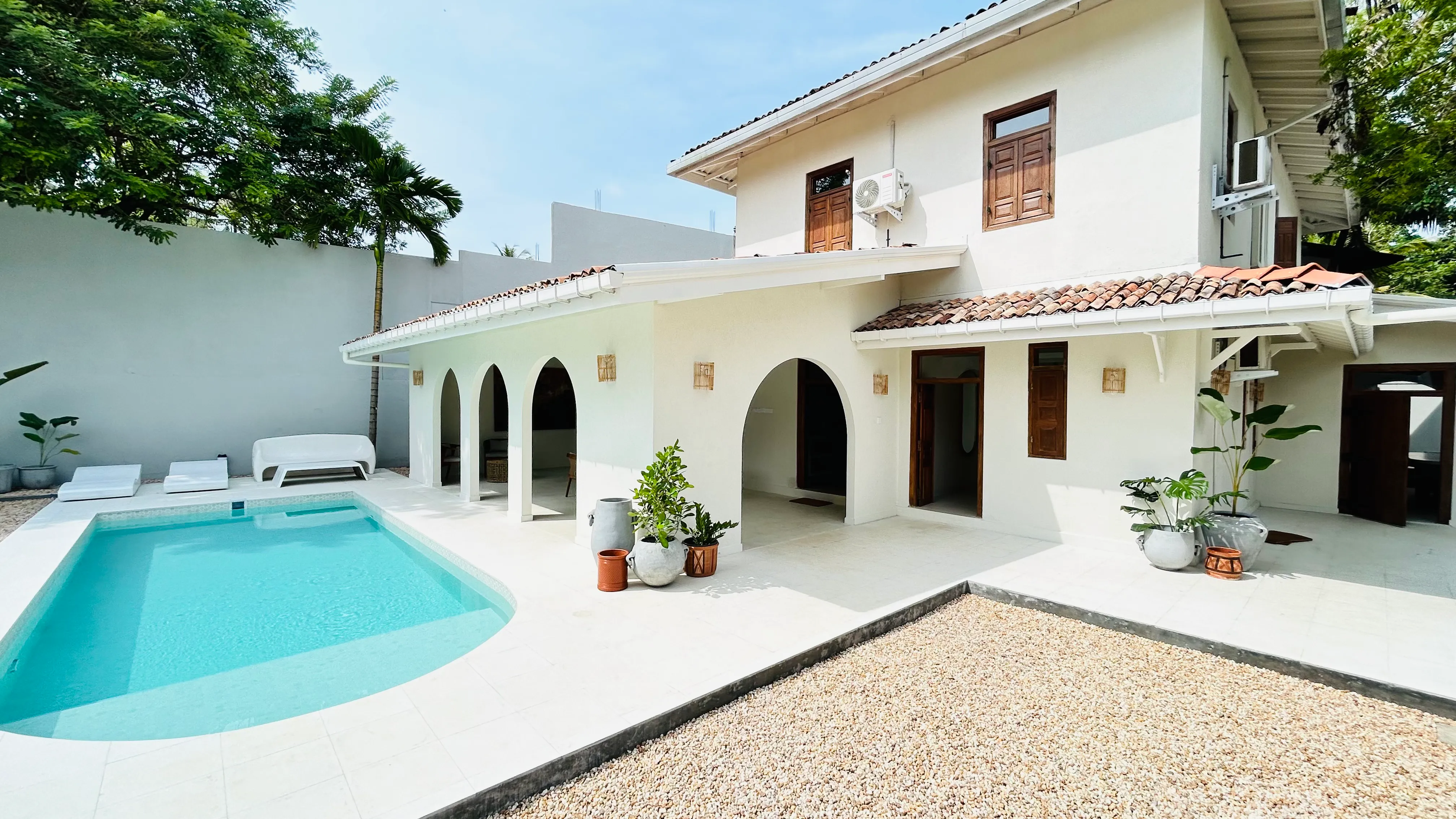
Ceilao Villas beachfront stays are designed around the same factors that make remote work sustainable over longer periods: quiet surroundings, functional layouts, and low daily friction.
- Quieter beachfront locations.
Many of Ceilao Villas’ properties are set along lower-traffic stretches of the coast rather than dense resort zones. This reduces daytime noise from events, crowds, and passing traffic, which matters when workdays stretch across several weeks. - Layouts built for daily use, not short breaks.
The villas are structured as complete living spaces, with clear separation between sleeping, living, and outdoor areas. This makes it easier to set up a dedicated place to work instead of improvising each day. - Staffed support without dependency.
On-site caretakers and housekeeping handle logistics and maintenance quietly in the background. This removes the need to manage a household while still preserving privacy, an important balance for remote workers staying longer than a few days. - Designed for repeatability, not novelty.
Across properties, layouts, service levels, and daily rhythms are intentionally consistent. For remote professionals, this predictability reduces decision fatigue and helps routines stabilise over time.
When these factors are considered together, Ceilao Villas emerges as one of the strongest beachfront villa options in Sri Lanka for professionals working remotely, who prioritise focus, predictability, and reliability over constant novelty.
Who this setup is best for (and who it isn’t)
Working remotely from a beach villa in Sri Lanka suits independent professionals, consultants on extended assignments, founders who need long stretches of focus with occasional resets, and creators who value calm environments over constant stimulation.
It’s less suitable for highly social, co-working-dependent workers or short-term travellers.
FAQs
Is Sri Lanka a good place for remote work?
Yes. Sri Lanka works well for remote professionals on longer stays because time zones, cost, and villa-style accommodation make it easier to build consistent routines and stay productive.
Can you reliably work from a beachfront villa?
You can, as long as the villa is designed for longer stays, with quiet surroundings, a defined work area, and reliable internet rather than shared or seasonal connectivity.
Is Wi-Fi strong enough for video calls?
In well-equipped villas, Wi-Fi is usually stable enough for regular video calls. Dedicated connections and low guest density matter far more than advertised download speeds.
Are beachfront villas quiet enough to work from?
Many beachfront villas in Sri Lanka are located in low-density areas, which makes them quieter during the day than city hotels or resort zones with constant activity.
How long should you stay to make remote work worthwhile?
Remote work tends to settle in after about two weeks, once routines form, distractions fade, and the environment starts supporting focus instead of interrupting it.
Is working remotely from Sri Lanka affordable long term?
For longer stays, Sri Lanka often offers better value than many beach destinations, especially when villa accommodation includes space, privacy, and basic services.
Conclusion
Working remotely from a beach villa in Sri Lanka isn’t about turning work into a holiday. It’s about choosing an environment that supports focus, routine, and recovery over time.
When the villa functions as a reliable base, quiet, flexible, and structurally sound, the beach stops being a distraction and becomes part of a sustainable rhythm. For professionals seeking calm productivity rather than constant escape, a well-chosen beachfront villa can make remote work not just possible, but genuinely effective.