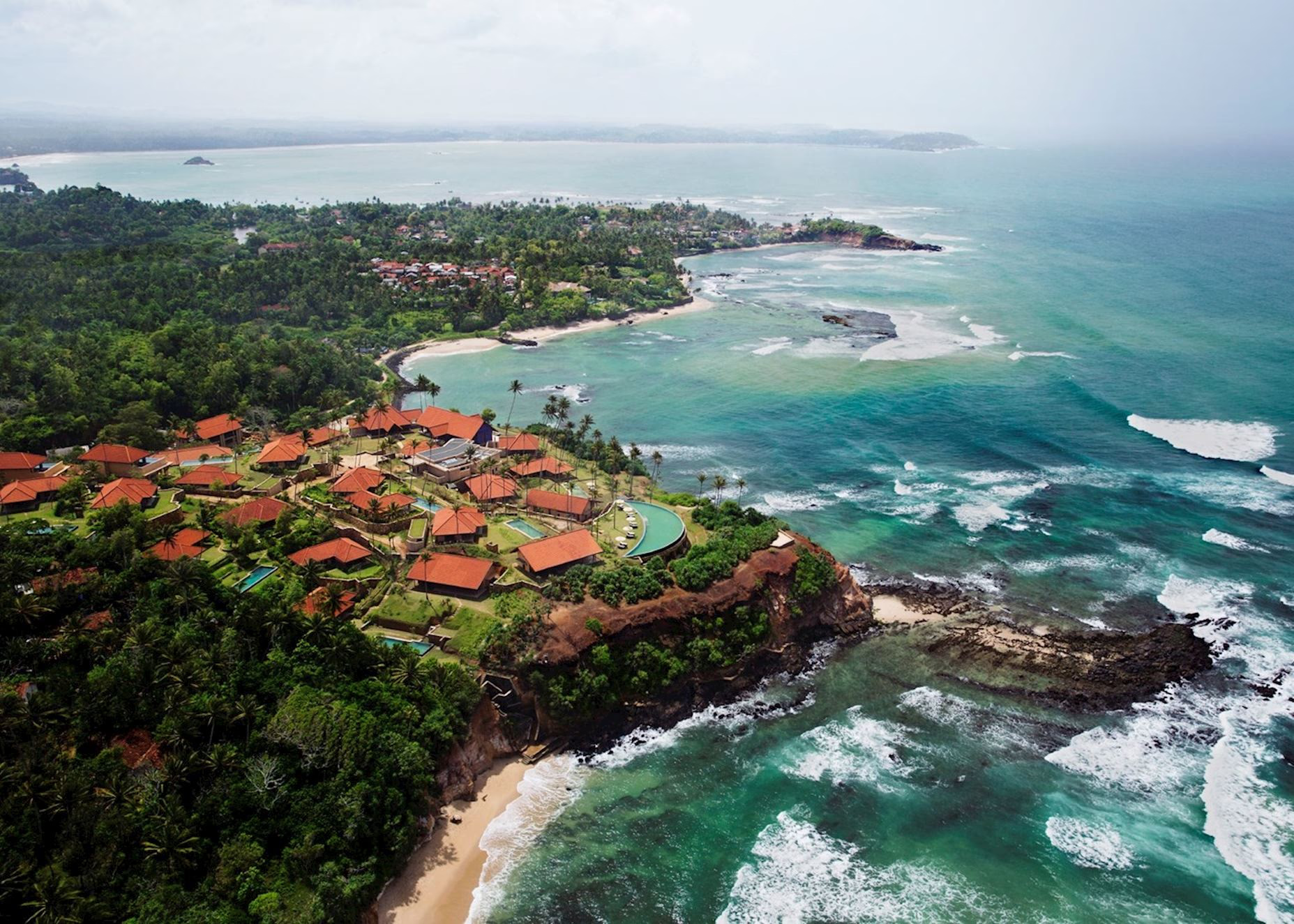
Most families plan a beach holiday by comparing photos, star ratings, and room prices. The decision often looks simple: a hotel feels easy and familiar, a villa feels indulgent and maybe unnecessary. But many parents realise, usually by the second or third day, that choosing a villa stay, shapes everything else: how children sleep, how meals work, how relaxed the adults feel, and how much of the beach they actually enjoy.
Beach holidays amplify these effects. Unlike city trips, families spend long stretches at their accommodation: early mornings, midday breaks, late afternoons, and evenings when kids are tired. That’s why the villa vs. hotel question isn’t really about luxury. It’s about how a place functions when a family lives in it for a week.
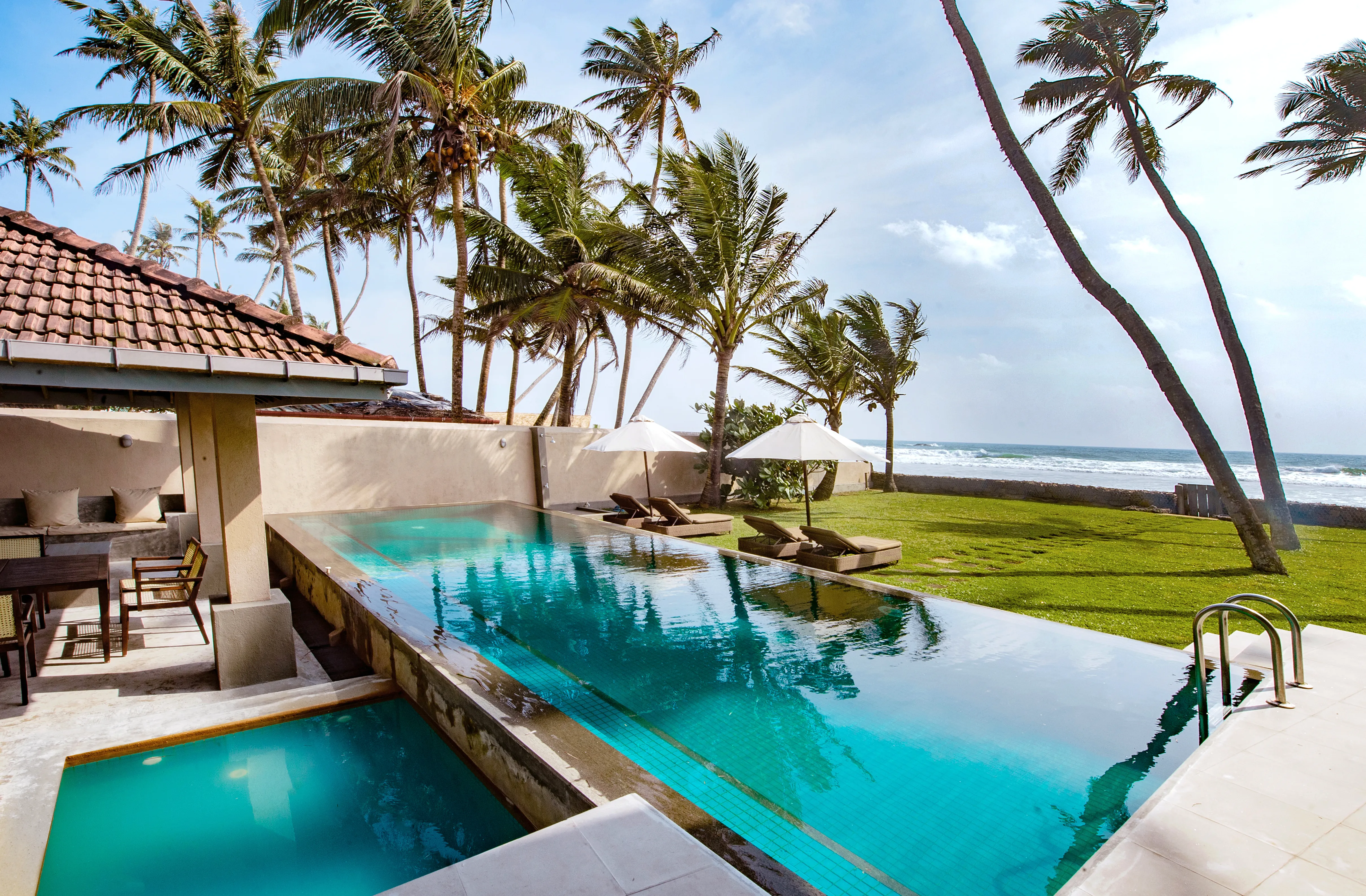
The core difference: family villas vs hotels in Sri Lanka
A helpful way to think about villa vs. hotel for a family beach holiday is to look at how each type of stay is designed to operate.
- Hotels run on shared systems.
Meals happen at set times. Pools are communal. Noise, space, and schedules are negotiated with other guests. This works well when your trip is short, activity-packed, or adult-focused. - Family villas operate as private systems.
Your family sets the rhythm. Meals happen when children are hungry. Downtime is flexible. Space is controlled, not negotiated. On a beach holiday—where days stretch and routines matter, this difference becomes noticeable very quickly.
This explains most of the practical trade-offs families experience.
How Beach Villas in Sri Lanka Are Structured for Families
Travellers unfamiliar with villas often worry about safety, service, or being left to manage everything themselves. In Sri Lanka, beach villas are structured very differently from unstaffed holiday rentals.
How family beach holidays actually play out
Beach trips tend to look relaxed on paper, but in reality they are full of micro-decisions. Children wake early. The midday heat pushes everyone back indoors. Naps, snacks, and quiet time become non-negotiable. Parents choose between wanting freedom and needing predictability, because that’s how family trips are.
In this context, accommodation stops being “just a place to sleep.” It becomes the base where routines either fall into place, or constantly feel slightly off. That’s why families often regret their stay midway, wishing they had more space, more control, or simply fewer interruptions.
Staying in a villa with family: why the experience changes
Villas change the family beach experience because they remove negotiation from daily life.
- Space becomes functional
Separate bedrooms and living areas mean children can nap while adults unwind. Teenagers get independence without leaving the property. Everyone has room to reset. - Meals adapt to your family timings
Kitchens, or in-villa dining, allow flexible eating. Breakfast can stretch over hours. Early dinners don’t feel rushed. Snacks don’t require planning around restaurant hours. - Privacy reduces mental load.
Parents don’t constantly manage behaviour in shared spaces. Children can play freely. Quiet time actually feels quiet.
For many families, these small shifts create a sense of calm that’s hard to replicate in a shared environment.
Staying in a hotel with family: where it works well
Hotels aren’t the wrong choice by default. For some family trips, they make sense.
Hotels tend to work best when:
- The stay is short (two to three nights).
- The family plans to be out most of the day.
- There’s one child rather than multiple age groups.
- Parents value visible amenities and organised activities.
However, trouble appears when:
- Rooms feel tight during long afternoons indoors.
- Children’s sleep schedules clash with corridor noise, neighbouring rooms or scheduled events.
- Meal times don’t align with routine.
- Pools feel crowded, unhygienic or overstimulating.
None of these issues are deal-breakers, but over a longer beach stay they quietly add up.
Villa vs Hotel in Sri Lanka: What Families Often Underestimate
Choosing between a villa and a hotel in Sri Lanka isn’t just about accommodation type; it’s about how the country’s travel patterns shape daily life for families.
Distance between hotels and calmer beaches.
Many large hotels are clustered around busy beach zones, where activity, vendors, and traffic are part of the atmosphere. Family villas in Sri Lanka are more often located along residential or low-density coastal stretches, where beaches feel calmer and easier for children to enjoy independently.
Noise culture is different from what many families expect.
Hotels frequently host events, weddings, and tour groups, particularly during peak seasons. While this suits short stays, it can be disruptive for families with young children or early bedtimes. Villas, by contrast, minimise shared noise simply by design.
Meal routines matter more than menus.
Hotels offer variety, but meals run on schedules and fixed formats. For families, especially those travelling with younger children, timing and flexibility matter more than choice. Villas allow parents to align meals with naps, beach time, and energy levels rather than restaurant hours.
Transport hassle adds up over time.
In Sri Lanka, short distances can still take time. Staying somewhere walkable to the beach reduces the need for repeated transport planning. Many beach villas in Sri Lanka for families are chosen precisely because they remove this daily friction.
Families tend to stay longer in Sri Lanka.
Unlike city breaks, Sri Lanka trips often span a week or more. Over longer stays, small inconveniences compound. Accommodation that supports routine, space, and flexibility usually feels more sustainable than shared environments designed for constant turnover.
Why beach location matters more when you choose a villa
Location matters in any stay, but villas double its impact. A well-situated beach villa allows families to move naturally between indoors and outdoors without planning or transport. Morning swims, quick beach visits before sunset, and spontaneous play become easy.
Because villas aren’t built around large crowds, they’re often placed along calmer stretches of coast. This suits families who want the beach to feel like part of daily life rather than an organised outing.
In Sri Lanka, where beaches vary widely in mood and intensity, this proximity and calmness can define the entire holiday.
Why do families choose Ceilao Villas for beach holidays in Sri Lanka?
Ceilao Villas are luxury holiday homes, structured around the idea that family beach holidays need space, privacy, and flexibility, not constant stimulation. Their villas are positioned in low-density coastal areas and designed to function as complete homes rather than oversized rooms.
Ceilao Villas’ layout and approach is ideal due to:
- Separate living and sleeping zones that support family routines.
- Private outdoor spaces that reduce crowd exposure.
- Staffed villas that provide support without intrusion.
- Locations that allow families to experience the beach naturally, not on a schedule.
This structure aligns closely with how families actually live during longer beach stays.
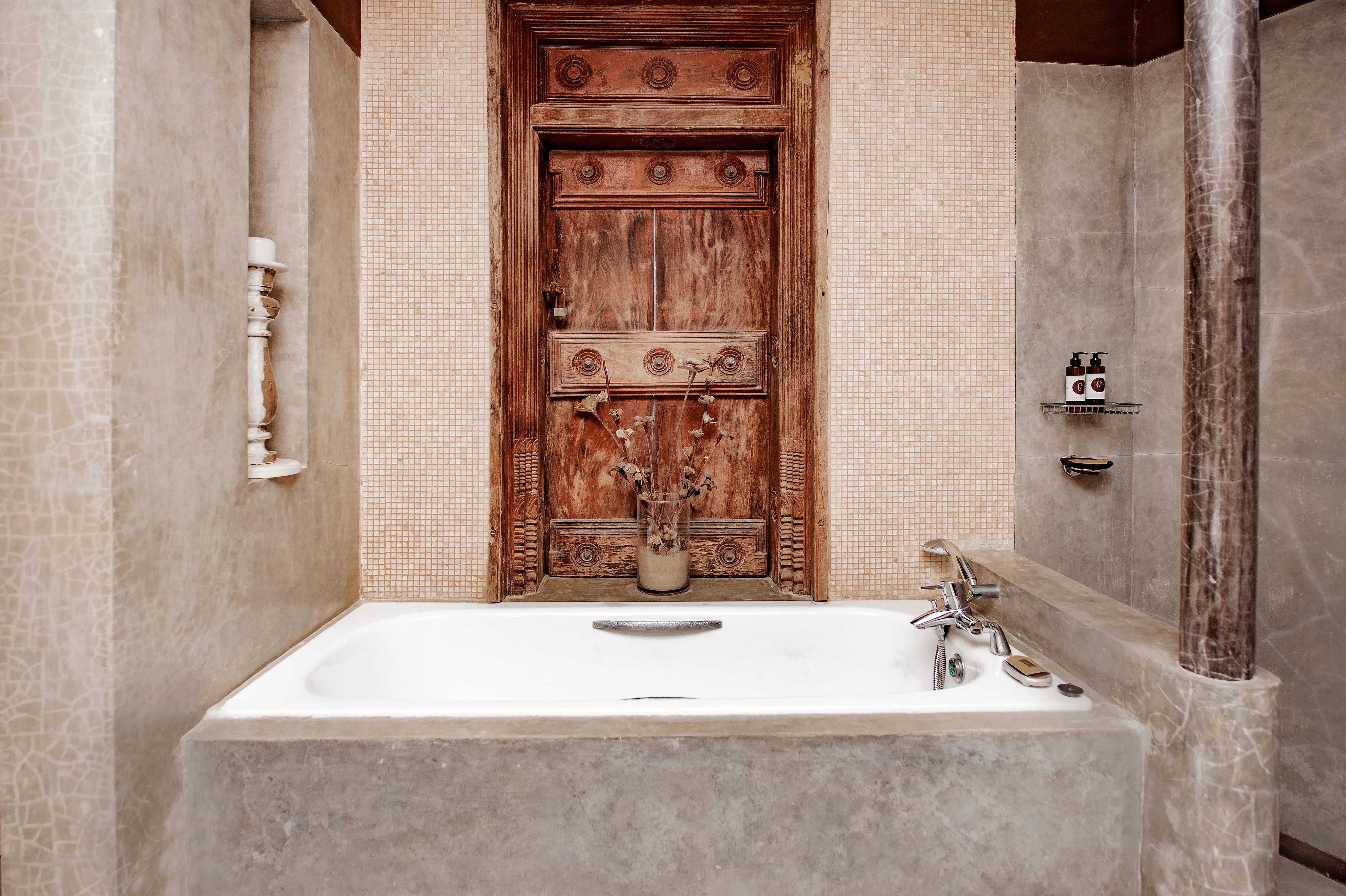
How to choose family beach villas in Sri Lanka
Family villas in Sri Lanka are not one-size-fits-all. Different family sizes, travel styles, and lengths of stay benefit from different layouts. This is where choosing the right type of villa matters more than choosing a brand name.
Larger family groups often choose full private homes near the beach.
Villas such as Kabalana House are designed for families travelling together across generations. Separate bedrooms, shared living spaces, and private outdoor areas allow everyone to be together without being on top of one another.
Smaller families and longer stays benefit from compact private villas.
Properties like K1 and K2 suit families who want privacy and flexibility without excess space. These villas support daily routines, meals, rest, beach time, while remaining easy to manage for parents.
Shorter stays or couples travelling with one child often prefer studio-style villas.
Options such as The Suite work well for families who want privacy and calm but don’t need multiple rooms. These spaces retain the benefits of a villa, control, quiet, flexibility, without the scale of a full house.
Together, these villa types reflect how beach villas in Sri Lanka for families are structured: not around standard room categories, but around how families actually live during a beach holiday.
Villa or Hotel for your family beach holiday?
For many families travelling in Sri Lanka, villas tend to align better with how beach holidays actually unfold. Hotels suit short stays and structured days. Villas suit longer beach holidays where families want to slow down, spread out, and let the destination shape the rhythm of the trip.
For many families, especially those travelling with children across different ages, villas feel less like an upgrade and more like the right tool for the experience they want.
FAQs
Is a villa better than a hotel for kids?
For longer beach holidays, villas usually offer more space, flexible meal times, and private areas where children can play freely, making routines easier to manage than in shared hotel environments.
Are villas safe for family beach holidays?
Yes. Most family villas in Sri Lanka include on-site staff, private access points, and controlled environments, which provide both security and privacy for parents travelling with children.
Do villas include services like hotels do?
Many family-focused villas offer housekeeping, caretakers, and optional in-villa dining, allowing families to enjoy hotel-style support while keeping the flexibility of a private home.
Is a villa more expensive than a hotel for families?
For larger families or longer stays, villas often provide better value per person, especially when shared across multiple bedrooms and when meal flexibility reduces daily dining costs.
How long should you stay in a villa to make it worthwhile?
Villas tend to work best for stays of five nights or more, when the added space, privacy, and flexibility begin to noticeably improve the overall family experience.
Are villas good for multi-generational family trips?
Yes. Separate bedrooms combined with shared living spaces allow grandparents, parents, and children to spend time together while still maintaining comfort and privacy.
Conclusion: choosing what actually supports your family
The decision between a villa and a hotel for a family beach holiday isn’t about upgrading accommodation. It’s about choosing a structure that supports how your family lives once the bags are unpacked.
Hotels work well when days are short, schedules are full, and the room is mostly a place to sleep. Villas tend to work better when the beach becomes part of daily life—when children need space to reset, meals need flexibility, and parents want fewer decisions to manage. On longer stays especially, private systems reduce friction and allow everyone to settle into a rhythm that feels natural rather than managed.
For families who see a beach holiday as time to slow down, spread out, and reconnect without constant planning, a villa often becomes less of a luxury choice and more of a practical one. If you’re considering a villa for your next family beach holiday in Sri Lanka, exploring family-friendly beachfront villas from Ceilao Villas is a good way to see how this style of stay works.