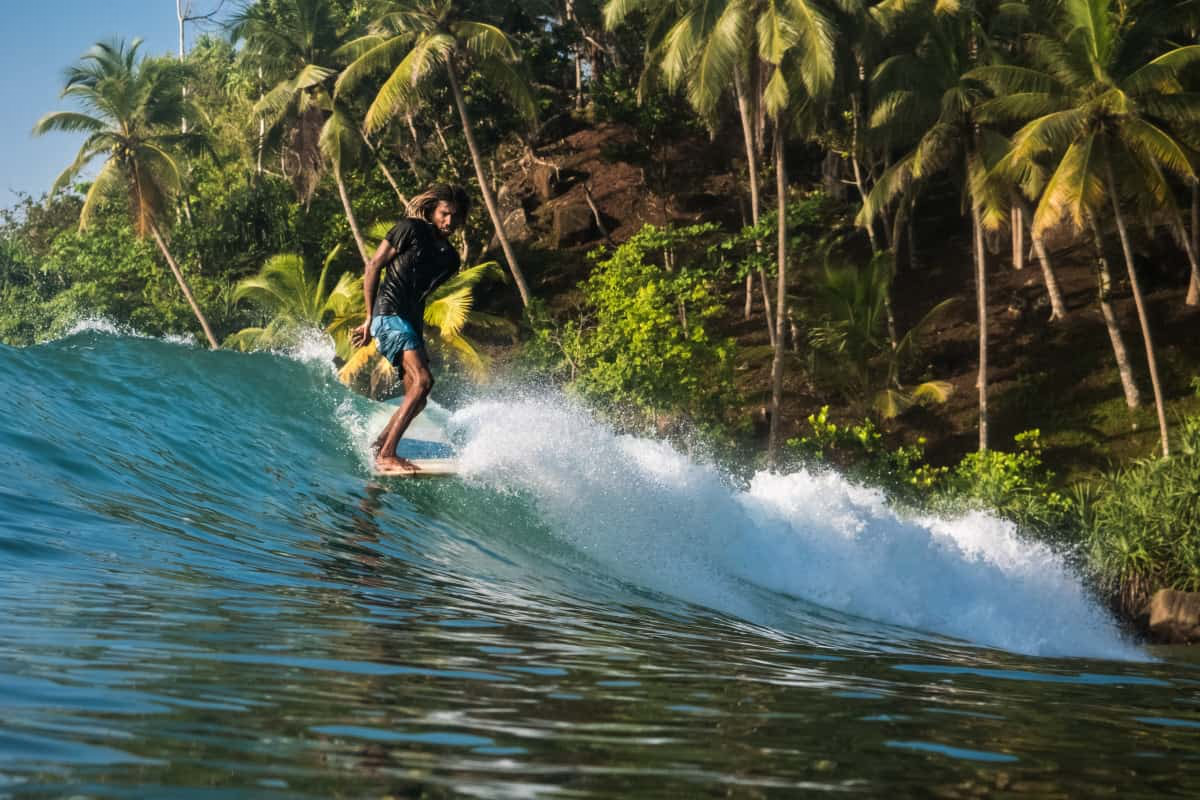
Most people searching for surfing in Ahangama start with one question: Is it good for beginners or only experienced surfers? What they often miss is that Ahangama is not a single surf spot. It’s a stretch of coastline with multiple breaks, changing moods, and seasonal shifts that shape the entire experience.
On Sri Lanka’s southwest coast, surfing is less about ticking off famous waves and more about understanding rhythm, tides, monsoon seasons, reef versus beach breaks, and how close your accommodation sits to the water. This guide explains how surfing in Ahangama actually works, when to visit, where to stay, and why location matters as much as wave quality.
Why Ahangama Is One of Sri Lanka’s Most Balanced Surf Destinations
Ahangama sits between Weligama and Galle on Sri Lanka’s south coast. It offers something many surf destinations struggle to balance: variety without chaos.
Unlike busier hubs, Ahangama spreads its surf breaks along a longer stretch of coastline. This means:
- Multiple reef and beach breaks within short distances
- Less crowd concentration compared to single-bay surf towns
- A mix of beginner-friendly and intermediate waves
- Cafés and accommodations within walking or short tuk-tuk reach
For surfers who want flexibility without the intensity of larger surf centres, Ahangama offers a middle ground.
Understanding Surf Seasons on Sri Lanka’s Southwest Coast
Timing shapes the surf experience more than most travellers realise.
Main Surf Season: November to April
During these months, the southwest coast receives consistent swells from the Indian Ocean. Conditions are generally cleaner in the mornings, with offshore winds common. This period is ideal for beginners and intermediates alike.
Shoulder Months: October & May
Transitional weather brings mixed conditions. Some days are excellent; others may be unpredictable. Crowds are thinner.
Off-Season: June to September
Swells shift toward the east coast during this period. The southwest can still produce rideable waves, but conditions are less consistent.
If surfing is your primary goal, November to April is the most reliable window.
The Main Surf Breaks in and Around Ahangama
Ahangama isn’t one wave, it’s a sequence of distinct breaks.
1. Kabalana Beach (The Rock)
Kabalana Beach is one of the most well-known surf breaks in the area. Often called “The Rock,” this reef break produces powerful right-handers under the right swell conditions.
It’s best for intermediate to advanced surfers. It’s consistent during peak season, and can get busy during prime hours
Nearby sandy sections make it easier for learners to practise closer to shore.
2. Marshmallow (Beginner-Friendly Reef)
Located near Kabalana, Marshmallow is known for softer waves that suit beginners and early intermediates. The take-off is more forgiving, and local surf schools often use this break for lessons.
It’s good for learning reef awareness, popular with instructors, and its best during mid-tide conditions.
3. Midigama (Short Ride from Ahangama)
Midigama lies a short tuk-tuk ride away and offers several named reef breaks including Lazy Left and Rams.
It’s suited for intermediate to advanced surfers as it has more technical reef formations. It’s less suited to first-timers For surfers staying in Ahangama, Midigama expands wave options significantly.
4. Weligama Bay (For Complete Beginners)
Weligama is about 15 minutes from Ahangama and is one of the best beginner surf beaches in Sri Lanka. The sandy bottom and rolling waves make it ideal for first lessons.
Many surfers base themselves in Ahangama and take lessons in Weligama while enjoying quieter accommodation.
Is Ahangama Good for Beginner Surfers?
Yes, Ahangama itself includes reef breaks that are better suited to surfers who have basic paddling and pop-up skills. Absolute beginners often train in Weligama before progressing to softer reef waves like Marshmallow.
The advantage of staying in Ahangama is flexibility. You can:
- Learn in Weligama
- Progress to reef breaks nearby
- Return to calmer stretches when needed
This progression path makes Ahangama ideal for multi-day surf trips.
Where to Stay When Surfing in Ahangama
Location affects your surf rhythm more than board choice.
Staying within walking distance of the beach means:
- Dawn patrol sessions are easier
- Midday breaks don’t require transport
- Boards can be stored safely
- Families can move between beach and villa naturally
Ceilao Villas in Kabalana offers this proximity advantage. Located near Kabalana Beach, the villas allow surfers to reach the water quickly while maintaining privacy and quiet away from busier surf hostels.
For families travelling with surfers, this balance matters. Not everyone in the group needs to revolve around the surf schedule.
Surfing and Staying at Ceilao Villas in Kabalana
Ceilao Villas is located in Kabalana, one of the most surf-accessible stretches of Ahangama. From here:
- Kabalana Beach is immediately accessible
- Marshmallow is nearby
- Midigama is a short tuk-tuk ride away
- Weligama Bay is within 15 minutes
This allows surfers to choose waves based on skill level and tide conditions without relocating.
At the same time, the villas provide:
- Private space to recover after sessions
- Flexible meal options
- Secure board storage
- Quiet evenings away from high-traffic surf cafés
For families, this means one person can surf at sunrise while others enjoy breakfast by the pool.
What Else to Do Besides Surfing
Even dedicated surfers don’t surf all day. Around Ahangama and the southwest coast, you’ll find so many other things to keep your days lively:
- Visit Galle Fort (30–40 minutes away)
- Lagoon tours in Koggala
- Sunset beach walks
- Local seafood restaurants
- Yoga studios and wellness centres
- Seasonal whale watching in Mirissa
This mix makes Ahangama suitable for groups with mixed interests.
How to Get to Ahangama
You can reach Ahangama via taxi, train or bus.
From Colombo (or Airport)
Taxi:
- 2–2.5 hours via Southern Expressway
- Most convenient for surfboards and luggage
Train:
- Colombo Fort to Ahangama
- Scenic coastal ride
- 2.5–3 hours
Bus:
- AC highway bus to Galle/Matara
- Budget option
Transport ease is one reason the southwest coast remains popular with short-stay surfers.
Best Time of Day to Surf in Ahangama
The best time to surf in Ahangama is typically early morning, between 6 and 9 AM, when winds are lighter and conditions are cleaner. Late afternoons can also improve depending on wind direction, particularly if offshore breezes return. Midday sessions are usually less ideal, as onshore winds tend to pick up and affect wave quality. Checking local tide charts and wind forecasts before heading out makes a noticeable difference to the overall experience.
Who Surfing in Ahangama Is Best For
Ahangama surfing is not built for everyone. It’s ideal for;
- Beginner surfers who have completed sandy-bottom lessons and want to progress to softer reef breaks
- Intermediate surfers looking for a mix of right-handers and varied reef formations
- Travellers combining surf sessions with cultural visits to Galle and surrounding areas
- Families where only one or two members surf, while others relax or explore nearby
- Digital nomads planning longer stays with flexible surf windows
Surfing in Ahangama is less suited to those seeking consistently heavy, advanced-only waves every day, as the coastline prioritises variety and accessibility over intensity.
Understanding Ahangama’s Wave Types
Surfing in Ahangama is shaped primarily by reef breaks, with a few sandy-bottom sections nearby. Reef breaks, such as those at Kabalana and Midigama, produce more consistent and defined waves because swells break over underwater rock formations. These waves often offer cleaner right-hand rides during the main season.
For beginners, nearby sandy areas like Weligama Bay provide softer, slower waves that are easier to learn on. Intermediate surfers typically progress to Ahangama’s reef breaks once they are comfortable paddling, positioning, and popping up independently.
Understanding the difference between reef and beach breaks is important when choosing where to surf in Ahangama.
How Tides Affect Surfing in Ahangama
Tide levels significantly influence wave quality along Sri Lanka’s southwest coast. In Ahangama, many reef breaks perform best at mid-tide, when there is enough water covering the reef to provide shape without exposing too much rock.
At very low tide, reef sections can become shallow and less forgiving. At high tide, some breaks may soften or lose power. Surfers checking local tide charts and wind forecasts before heading out often experience noticeably better sessions.
Morning hours, particularly between 6 and 9 AM, typically offer lighter winds and cleaner conditions.
Safety & Reef Awareness
Surfing in Ahangama requires awareness of reef formations, tides, and seasonal currents. While reef breaks provide consistent waves, they are less forgiving than sandy beaches, particularly at low tide.
Surfers should assess entry and exit points before paddling out, stay aware of local conditions, and avoid overcrowded take-off zones. Sun exposure on Sri Lanka’s southwest coast is strong year-round, making hydration and sun protection essential.
Respecting local surfers, instructors, and lineup etiquette also contributes to a safer and more enjoyable surf experience.
Common Mistakes First-Time Surfers Make in Ahangama
Avoiding these common mistakes makes surfing in Ahangama safer, more enjoyable, and far more productive for beginners.
- Starting directly on reef breaks without first practising in sandy-bottom areas like Weligama
- Ignoring tide levels, especially surfing at very low tide when reefs are more exposed
- Entering the water without checking entry and exit points along the reef
- Surfing during windy midday conditions instead of early morning sessions
- Underestimating sun exposure on Sri Lanka’s southwest coast
- Not observing local lineup etiquette before paddling into crowded take-off zones
FAQs
Is Ahangama good for beginner surfers?
Yes. Many beginners start with sandy-bottom lessons in nearby Weligama before progressing to softer reef breaks like Marshmallow in Ahangama, making it suitable for gradual skill development.
When is the best time to surf in Ahangama?
The best time to surf in Ahangama is from November to April, when the southwest coast receives consistent swells, lighter winds, and generally cleaner morning conditions.
Is Ahangama better than Weligama for surfing?
Weligama is better for complete beginners due to its sandy bay, while Ahangama offers more varied reef breaks suited to intermediate surfers seeking progression.
How far is Ahangama from Colombo?
Ahangama is approximately 2 to 2.5 hours from Colombo by car via the Southern Expressway, making it one of the most accessible surf towns on the south coast.
Can you surf year-round in Ahangama?
Surfing is possible for much of the year, but conditions are most reliable between November and April when the southwest monsoon pattern creates steadier waves.
Conclusion
Surfing in Ahangama is less about chasing one famous wave and more about choosing a coastline that offers flexibility. With multiple breaks within a short distance, accessible transport from Colombo, and accommodation options close to the water, it provides one of the most balanced surf experiences on Sri Lanka’s southwest coast.
For surfers and families seeking proximity to Kabalana’s breaks without sacrificing privacy, exploring stays at Ceilao Villas offers a practical way to combine surf access with comfortable beachfront living.